


Nationwide PTT Network
Productivity and functionality for your two-way radio communications.
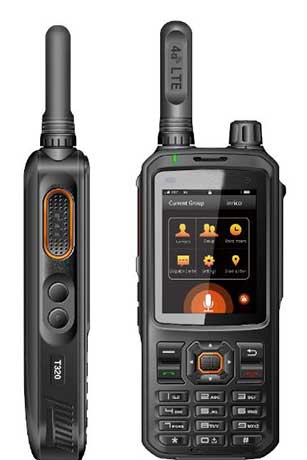
FleetWave-LTE Push-To-Talk Radios
FleetWave-LTE provides the new go-to products for all of your business needs; our
Push-to-Talk technology allows you to instantly communicate with your team at the press of a
button, whether you need to reach an employee across town or even across the country,
FleetWave-LTE has you covered! Here are four reasons why you'll love our PTT products
and how we can help your business.
Nationwide Coverage and Canada
Rather than relying on traditional statewide repeaters to communicate with your team, our PTT products work over Wi-Fi and 4G/LTE cellular to provide reliable, nationwide coverage. Communicating with your team across the country or down the hall instantly becomes so much more efficient! What's even better is that FleetWave-LTE also works in Canada - something that many other PTT companies do not provide. See our coverage map.
Instant Communication
Our PTT products provide instant communication at the press of a button. What's even greater, is that our products allow for both group and private calling! With our great sound quality and long-distance reaching capabilities, FleetWave-LTE is perfect for any sized business.
Low Cost
Cellphones and traditional LMR systems can be very expensive, which is why we provide a more cost-effective solution for our Push-to-Talk products using month to month pricing plans. Another reason why you'll love FleetWave-LTE is that we also provide options for leasing equipment! See our pricing plans.
Easy to Use Dispatch Console and App
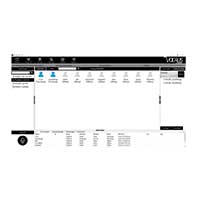
Our dispatch console and app allows you to easily communicate, track, and monitor your team. We also provide a mobile app for Android or IPhones to instantly talk between cellphones and our PTT products over Wi-Fi and cellular data. See how to use our dispatch console.
2-way Radio Unleashed
Benefits of FleetWave-LTE Push-to-Talk Systems Over Cellular
Instant Communication
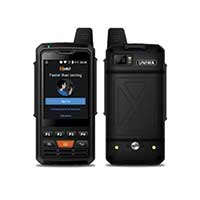
Easily connect with your team in less than one second connection time.
Maximize Team Productivity
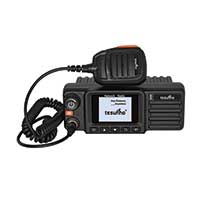
Talk with your entire team at once or individually about project needs.
Dispatch
Central Tracking & Communication Center From Any PC.